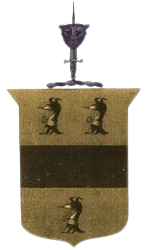
UK – Great Britan – England – South Yorkshire County – Sheffield City – Ecclesfield Parish/Village
https://en.wikipedia.org/wiki/Ecclesfield
https://wikishire.co.uk/wiki/Ecclesfield
https://en.wikipedia.org/wiki/Timeline_of_Sheffield_history
Ecclesfield – https://maps.app.goo.gl/kWat1Gt3CRBxbWLn8
Sheffield – https://maps.app.goo.gl/hmBkvmdqdXZwc13N7
South Yorkshire – https://maps.app.goo.gl/q9bxgZ11aDdwSwhc8
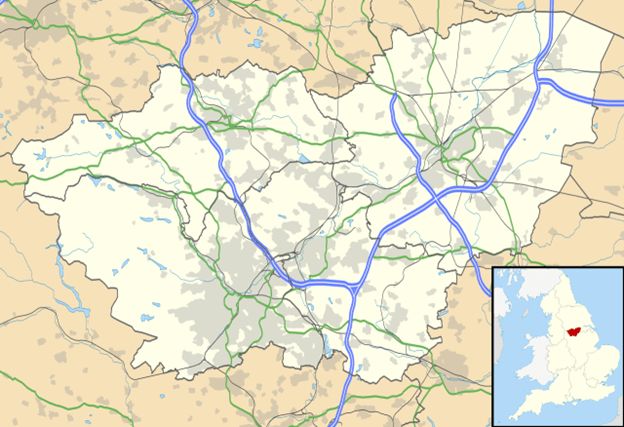
Ecclesfield is a historic village in South Yorkshire, England, with a rich history that predates 1700. While detailed records from this period may be limited, here is a general overview of Ecclesfield’s history before 1700:
- Early Settlements: Ecclesfield has ancient origins, and evidence suggests that the area was inhabited during the Roman and Anglo-Saxon periods. The name “Ecclesfield” is of Anglo-Saxon origin, with “eccles” meaning church and “feld” meaning field.
- Domesday Book (1086): The Domesday Book, a survey commissioned by William the Conqueror, provides some insights into Ecclesfield in 1086. It mentions a church, which indicates the presence of a religious community. https://en.wikipedia.org/wiki/Domesday_Book
- Medieval Period: Ecclesfield continued to develop during the medieval period. The village likely had a manor house, and agriculture played a significant role in the local economy. The medieval church, St. Mary’s, is an important landmark that has undergone changes over the centuries.
- Sheffield Manor: Ecclesfield was historically associated with the nearby Sheffield Manor, a significant medieval manor house. The manor had connections with the Talbot family, including the famous Earl of Shrewsbury, known for his role in the imprisonment of Mary, Queen of Scots. https://en.wikipedia.org/wiki/Sheffield_Manor_Lodge
- Religious and Social Life: The medieval church was not only a place of worship but also a focal point for the community. Ecclesfield likely had a close-knit social structure, and religious activities played a central role in daily life.
- Economic Activities: Agriculture and farming were crucial to the economy of Ecclesfield. The village would have been surrounded by fields, and the community likely engaged in activities such as farming, weaving, and blacksmithing.
- Local Governance: The governance of Ecclesfield would have been under the control of local lords, and the manor house likely served as a center for administrative and judicial matters.
It’s important to note that specific details about Ecclesfield before 1700 may be scarce, and much of the information is based on historical records, archaeological findings, and general trends of the time. For more in-depth research, consulting local historical archives and documents would be advisable.
https://ecclesfield-district-archives.com/history
https://www.familysearch.org/en/wiki/Ecclesfield,_Yorkshire_Genealogy
https://books.google.com/books/about/History_of_the_Parish_of_Ecclesfield.html?id=sgEWAAAAYAAJ


 Shurtleff & Lawton Families Genealogy & History - Second Edition (2005)
Leave a comment